




Great taste, grassy and high on umami.

🚚 Free shipping above $55
🍃 Pesticide free
🇯🇵 Directly sourced from Japan
🔐 Secure payment
😍 Great customer service
Couldn't load pickup availability





Information about the farm

Japan
Overall rating: 4.4 / 5 from 14 reviews.
Great taste, grassy and high on umami.

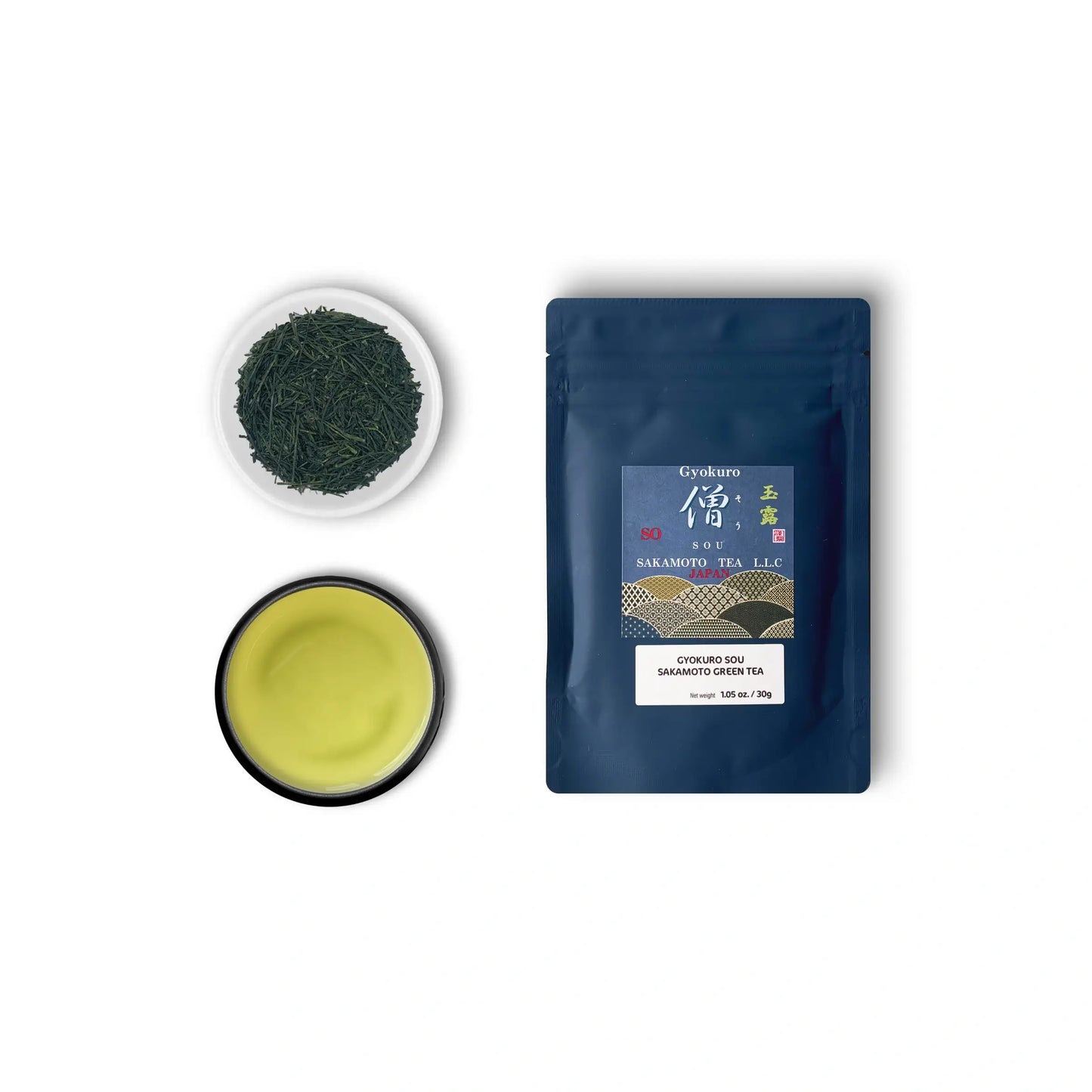
I must admit: for the price point, I would never have tried this tea except for the fact that I got it for free as part of the anniversary sale. Nearly $50 for 30 grams of tea is a bit out of my price range. As such, this will become a special occasion tea for me, since gyokuros can be aged longer than senchas. The aroma is deceptively mild, with classic sencha notes of steamed vegetables, but also hints of corn and sweet cream just under the surface. This isn't an extremely aromatic tea, but compensates for that by giving enjoyable complexity in the flavor. When you take your first sip, the mouthfeel gives some minerality and a thick, brothy texture that coats the tongue. It greets you with a brisk umami and a very mild bitterness that quickly fades into floral sweetness with a hint of sweet corn, then lingers as a mild rocky mineral aftertaste with recurring hints of vegetal umami. And when I say that aftertaste lingers, it REALLY lingers. I was still tasting it a solid 10 minutes after my first cup, and the aroma remained even longer, which is insane, I've never had a Japanese tea linger that long. I highly recommend not only brewing this tea at very cool temperatures (as gyokuro should be), but I also recommend using much less water than usual as well. This allows the tea to have that stronger, syrupy texture and bold flavor. If I had to compare it to anything, I'd say it's like a more umami version of the Cha Meijin, if you've been a Nio Teas customer for a while. My only real complaint is the price point. Again, $50 for 30 grams of tea is a bit on the excessive side. I understand gyokuros are more labor-intensive and are carefully blended, but in this economy, not too many people are going to be able to truly afford that price. If it were $40 or less, I could see myself repeat-buying because it's otherwise a very solid tea.

I’ve never had proper Japanese green tea before. Nio Teas has been a wonderful introduction. They added this Gyokuro as a gift and it really is something unique. It’s one of those things in life that keeps your attention because there is so much to explore every time you experience it. I enjoy those moments. Thanks guys!

Amazing tea experience. Powerful taste and nice mental clarity afterwards. The secret is less water for the 5g tea leaves. Loving it!

Like the Cha Meijien… sweet and dynamic
It's the second gyroku green tea I've tried and I am really impressed. Thank you!
My fave Gyokuro. Deep dark taste full of flavor. Similar to matcha in many ways but in a more customary green form ❤️
Very pleased with this Gykuro green tea. I've only just gotten into drinking green tea and this is one of the best so far, thank you.
It isn’t anything you need to improve. I didn’t like the flavor. I guess I didn’t understand the flavor profile I studied your different teas for at least 3 months to get a better grasp of what I might want. This is all new to me. My first order of any green teas. I haven’t been able to give it a second chance. The taste didn’t agree with me! I will give it another chance. Too expensive not to try to acquire a taste for it. I thought since this was a more expensive tea it would have a better taste lol. I like the roasted Hojicha so much better! When your samplers are back in stock I would love to try other flavors!
Taste is good but not awesome. Love the smell of freshness. I would buy it again.
Pricey, not as potent as I would have liked
Amazing flavorful tea! True delicious flavor.
The first steeping could not have tasted better; perhaps my favorite green tea. However, the second steeping did not exceed the second steepings of other, less extraordinary teas.
Such a pleasant flavour and sweetness!

Chun mee vs sencha compared side by side in terms of flavor, processing, brewing, and overall drinking experience so you can pick the right tea for you.
Chun mee vs sencha compared side by side in terms of flavor, processing, brewing, and overall drinking experience so you can pick the right tea for you.

Sencha vs jasmine green tea explained clearly. Learn the real differences in taste, aroma, processing, and when to choose each.
Sencha vs jasmine green tea explained clearly. Learn the real differences in taste, aroma, processing, and when to choose each.

Learn how much EGCG is in sencha, what affects its levels, and how brewing method, temperature, and leaf type change what ends up in your cup.
Learn how much EGCG is in sencha, what affects its levels, and how brewing method, temperature, and leaf type change what ends up in your cup.

Looking for the best sencha green tea? Compare top picks, flavor profiles, and brewing styles to find the perfect Japanese green tea for your daily routine
Looking for the best sencha green tea? Compare top picks, flavor profiles, and brewing styles to find the perfect Japanese green tea for your daily routine