

Hojicha Tiramisu: What Makes It Different from Classic Tiramisu
 Hojicha tiramisu uses roasted Japanese green tea in place of espresso, both as the soak for the ladyfingers and, in most modern recipes, as a flavoring agent inside the cream layer itself.
Classic tiramisu depends on coffee's bitterness to cut through the fat in mascarpone. Hojicha does the same job differently; the roasted, nutty sweetness it carries integrates into dairy more smoothly than coffee, producing a dessert that reads as warmer and less acidic on the palate.
The other structural difference is caffeine. A full cup of hojicha contains roughly 7 to 15 milligrams of caffeine compared to 60 to 100 in a shot of espresso. That makes this a realistic late-evening dessert for people who are caffeine-sensitive, one of several hojicha benefits that make it a practical choice beyond just flavor.
Hojicha Tiramisu Recipe: Core Ingredients and What They Do
Choosing Between Hojicha Powder and Brewed Hojicha
Most hojicha tiramisu recipes call for one or both forms of the tea. Brewed hojicha made by steeping loose-leaf or tea bags in hot water is used to soak the ladyfinger biscuits. Hojicha powder, which is the finely ground version, goes directly into the mascarpone cream and is used for the final dusting on top.
Hojicha Powder delivers a more concentrated, evenly distributed flavor in the cream layer. Loose-leaf brewed strong produces a better soaking liquid because it has the depth to penetrate the biscuit without tasting flat. Nio Teas' Hojicha Noike is a roasted loose-leaf option well-suited to this purpose. If you have access to only one form, powder is the more versatile choice. Dissolve it in hot water for the soak, then use more in the cream.
The quality of the hojicha you start with determines the flavor ceiling of the finished dessert. Tea roasted at a controlled temperature develops clean caramel and toasted grain notes, while lower-grade powder can taste flat, slightly astringent, or generically earthy.
Getting the brew strength right for the soaking liquid makes a real difference in the final texture of the dessert. 👉 How to Brew Hojicha like a Japanese Tea Master
Cream, Mascarpone, and Sponge Layers
Mascarpone is the standard cream base, and it works best because its neutral fat content lets the hojicha flavor read clearly without competition. Some recipes substitute cream cheese for a slightly tangier, lighter result; both are valid, and the choice depends on whether you want richness or brightness in the cream layer.
Ladyfingers, also called savoiardi, are the right sponge because they absorb liquid quickly without disintegrating. The soaking step is time-sensitive; a brief dip is all they need. Over-soaking produces a soggy, structureless slice rather than defined, separate layers.
Eggs, sugar, and whipped cream round out the standard hojicha tiramisu recipe. Some versions are made egg-free by relying entirely on whipped heavy cream folded into the mascarpone, which produces a lighter but still stable cream layer.
How the Roasted Flavor Changes the Dessert

Roasting is what separates hojicha from other Japanese teas when the leaves or stems are exposed to high heat, the Maillard reaction breaks down chlorophyll and produces pyrazines and furans, the same family of compounds responsible for toasted nuts, caramel, and dark bread crusts. Those compounds integrate readily with fat, which is why hojicha performs so well in cream-based desserts. Matcha, by contrast, carries grassy, vegetal top notes that can clash with dairy at scale, and the tannic bitterness of unroasted green tea rarely softens enough when surrounded by sugar and mascarpone.
The result is a flavor profile that reads as unified. Every component of the soaked biscuit, the cream, the dusted surface carries the same warm, roasted register rather than competing against it.
Hojicha Tiramisu Cake Variations and Serving Styles
Layered Dish vs. Round Cake Format
The classic format is a rectangular layered dish, built directly in a baking pan and sliced into portions. The hojicha tiramisu cake variation takes the same components and assembles them in a round springform mold, which produces cleaner edges when unmolded and works better for individual presentation at events.
The round format typically uses three layers rather than two, giving a better ratio of cream to biscuit per slice. It also allows for more decorative finishing using a stencil to dust hojicha powder in a pattern, or pressing crushed hojicha-flavored wafers around the sides.
Individual Portions and Alternative Vessels
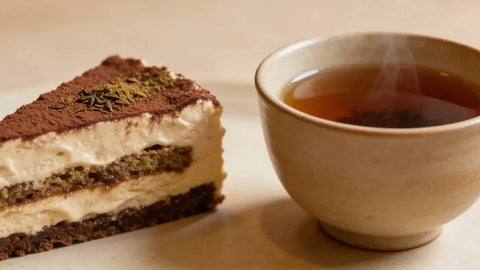
Individual portions assembled in small glasses or ramekins solve the plating problem entirely. Because each serving is already contained, there is no cutting, no slicing collapse, and no risk of layers mixing before service. This format also lets guests see the distinct layers before eating, which adds to the visual appeal of tiramisu hojicha at the table.
For a lighter variation, some recipes replace ladyfingers with thin slices of hojicha sponge cake, which allows the cream layers to take up more of the overall volume. This produces a denser dessert with less structural contrast but a more consistent texture throughout.
Why Hojicha Works Better Than Matcha in Some Desserts
Both hojicha and matcha are used in Western-style Japanese desserts, but they solve different flavor problems. Matcha brings grassy umami and a slightly bitter finish that works well in delicate applications like ice cream, chocolate, and shortbread, where the bitterness is balanced by fat or sugar.
In a cream-heavy, layered format, matcha's vegetal notes can tip into bitterness that reads as unpleasant rather than complex. Hojicha's roasted character aligns more naturally with the flavor logic of this dish; it mirrors the role of coffee without replicating it exactly.
The lower caffeine content is a genuine practical advantage in a dessert context. Matcha at the quantities needed to carry flavor through a full portion carries enough caffeine to be noticeable. Hojicha allows you to serve freely in the evening without that concern.
The flavor differences between these two teas extend well beyond dessert applications. 👉 Hojicha vs Matcha Differences Explained by a Tea Expert
Pairing Hojicha Tiramisu with the Right Tea
A well-made hojicha tiramisu holds enough flavor intensity to pair with a brewed cup of hojicha served alongside it. The warm, roasted notes in both reinforce each other without becoming monotonous, because the hot liquid provides contrast in temperature and concentration.
If you want a counterpoint rather than a match, brewed sencha or light kukicha offers fresh, grassy notes that lift against the richness of the mascarpone cream. The contrast makes both the tea and the dessert read more clearly on the palate.
Nio Teas carries hojicha in several formats suited for brewing and culinary use, including loose-leaf versions that work well as a strong soaking liquid, and if you enjoy this tea beyond desserts, the same ingredients can be used to make a hojicha latte as a warming accompaniment.
Comments (0)
There are no comments for this article. Be the first one to leave a message!