











Very light, but good.
🚚 Free shipping above $55
🍃 Pesticide free
🇯🇵 Directly sourced from Japan
🔐 Secure payment
😍 Great customer service
Couldn't load pickup availability


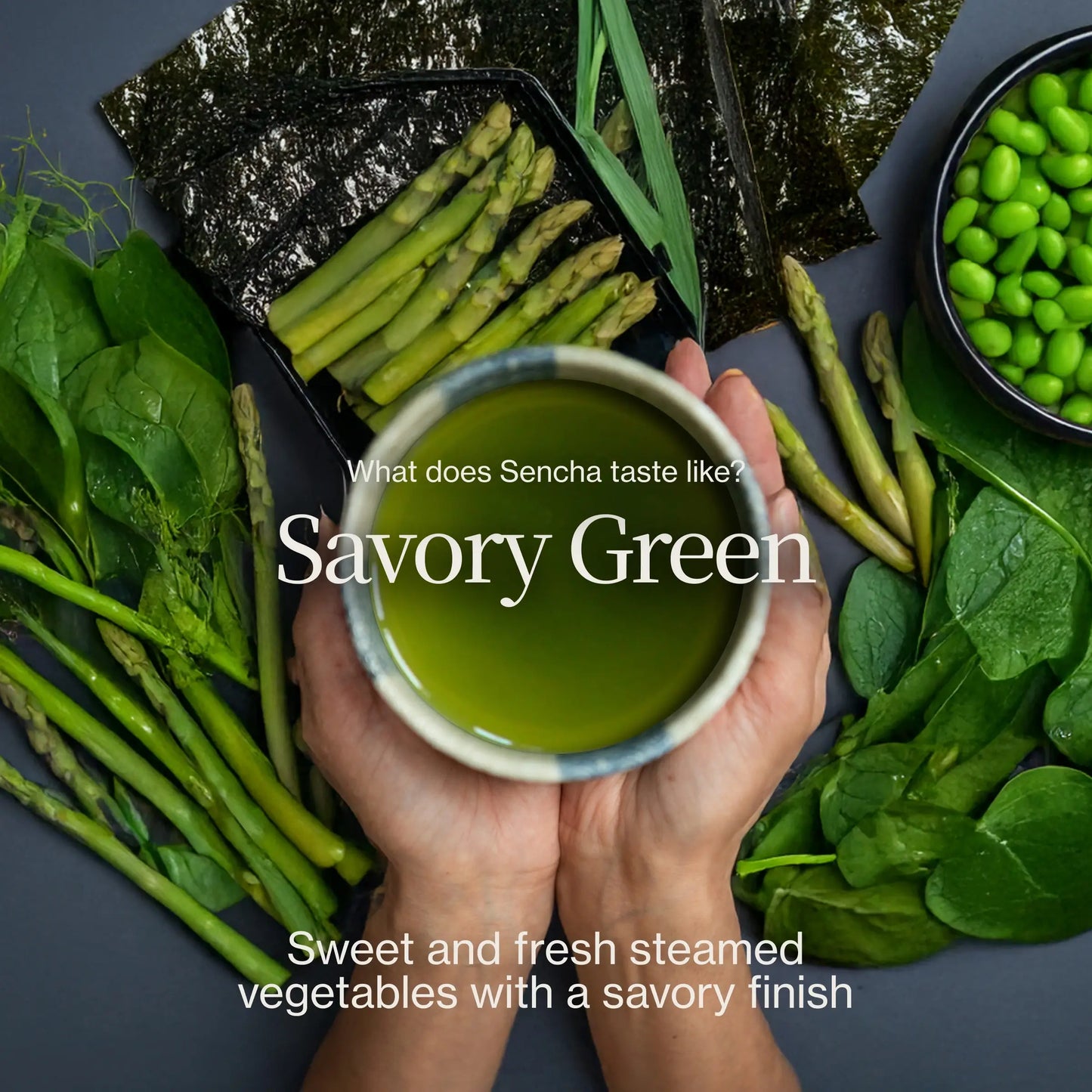
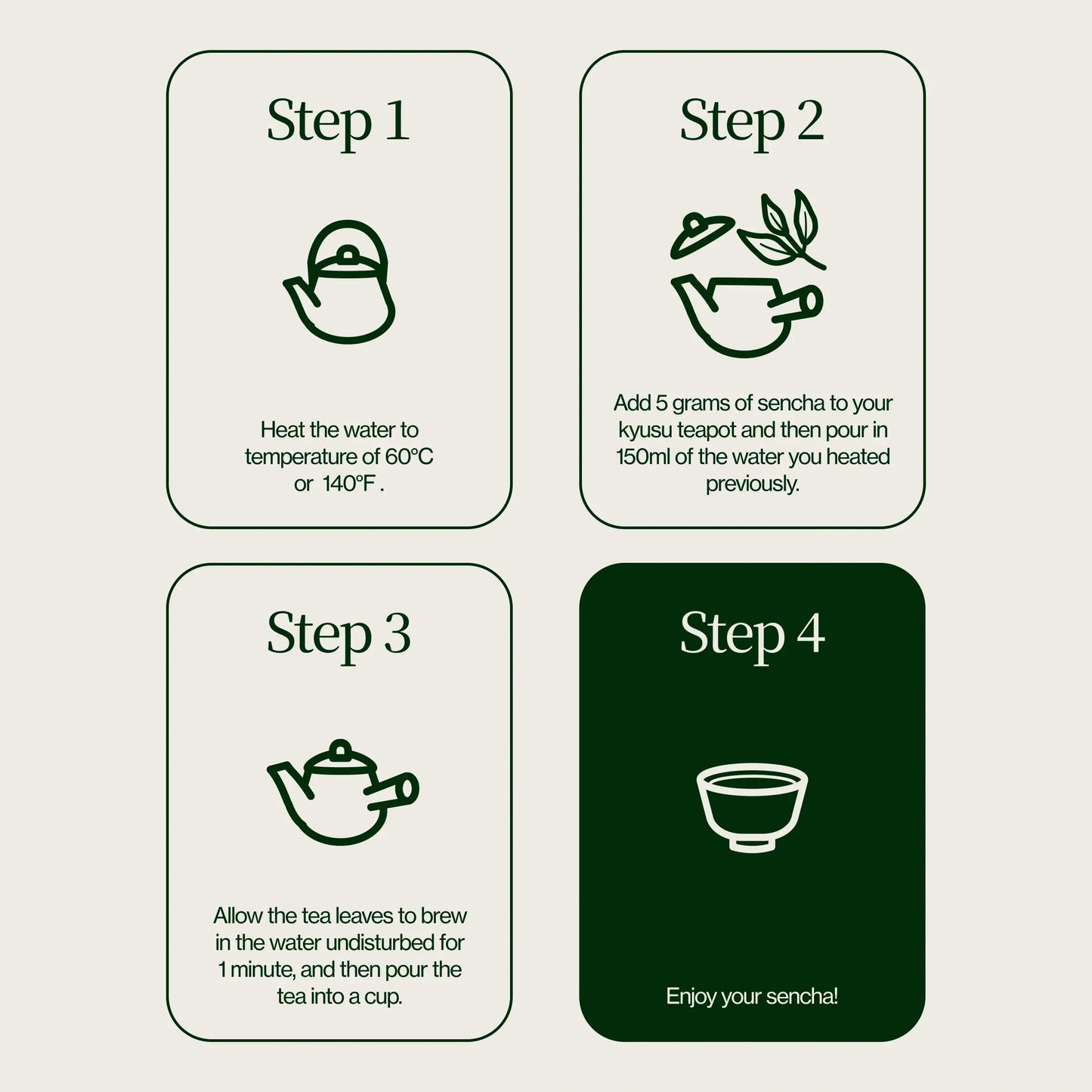
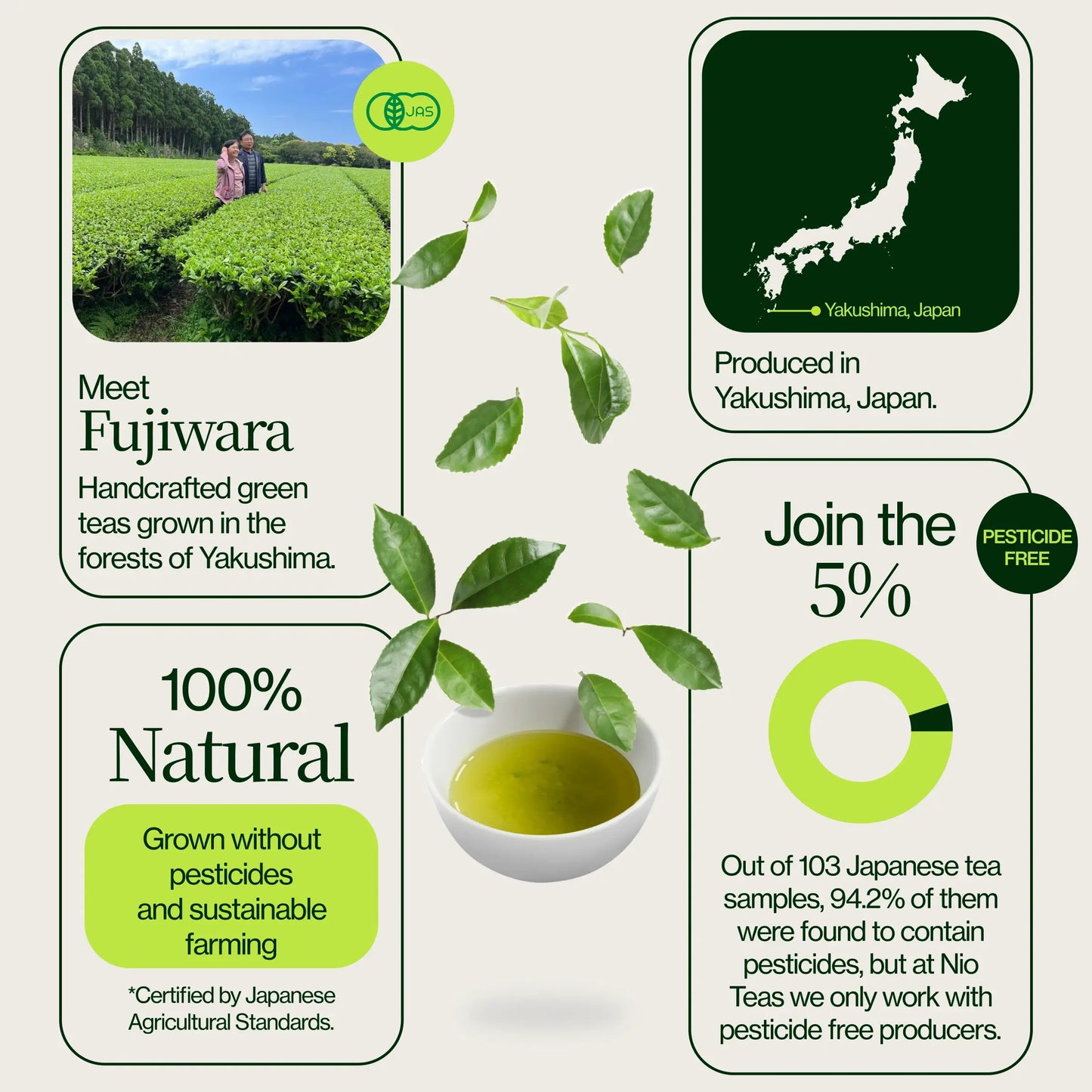

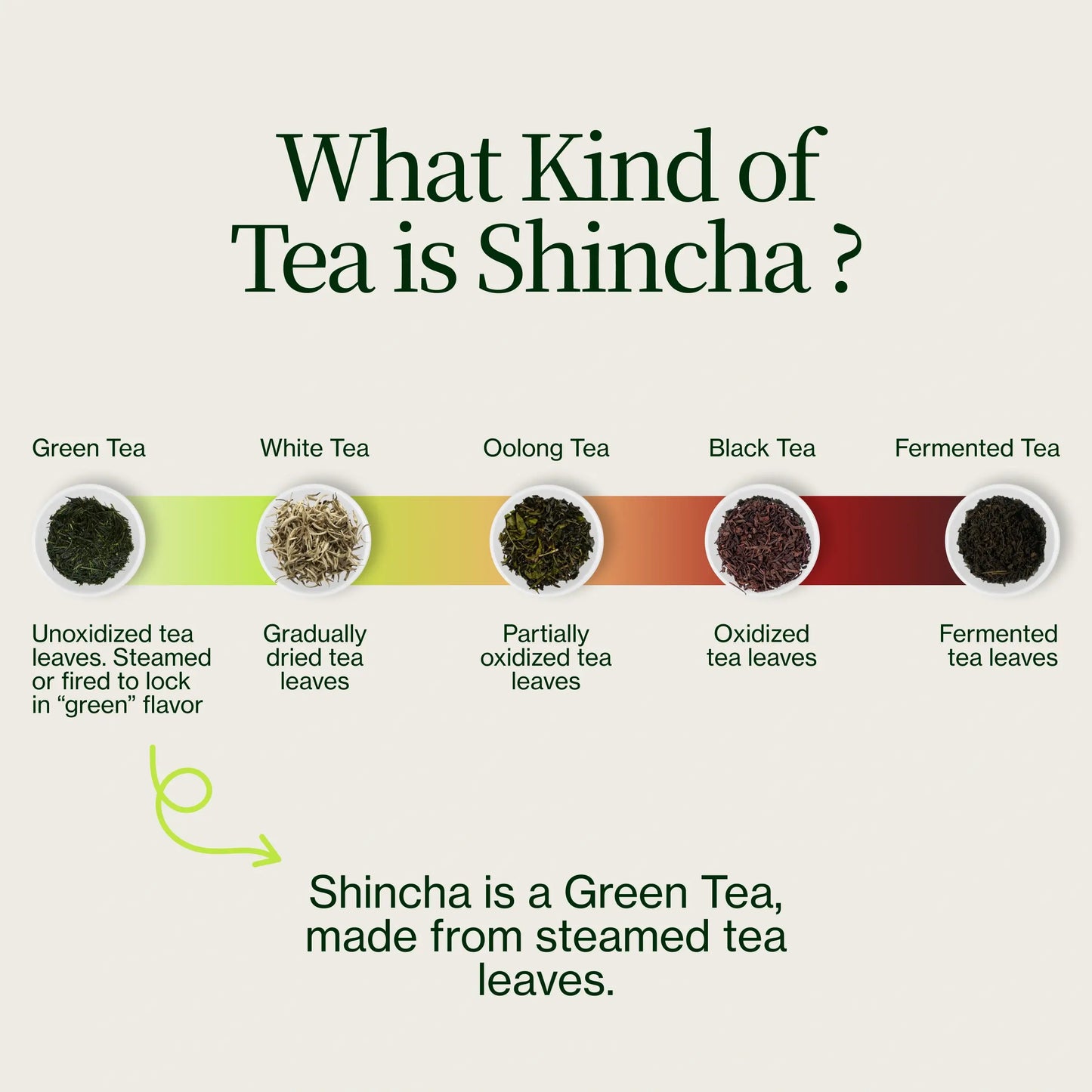
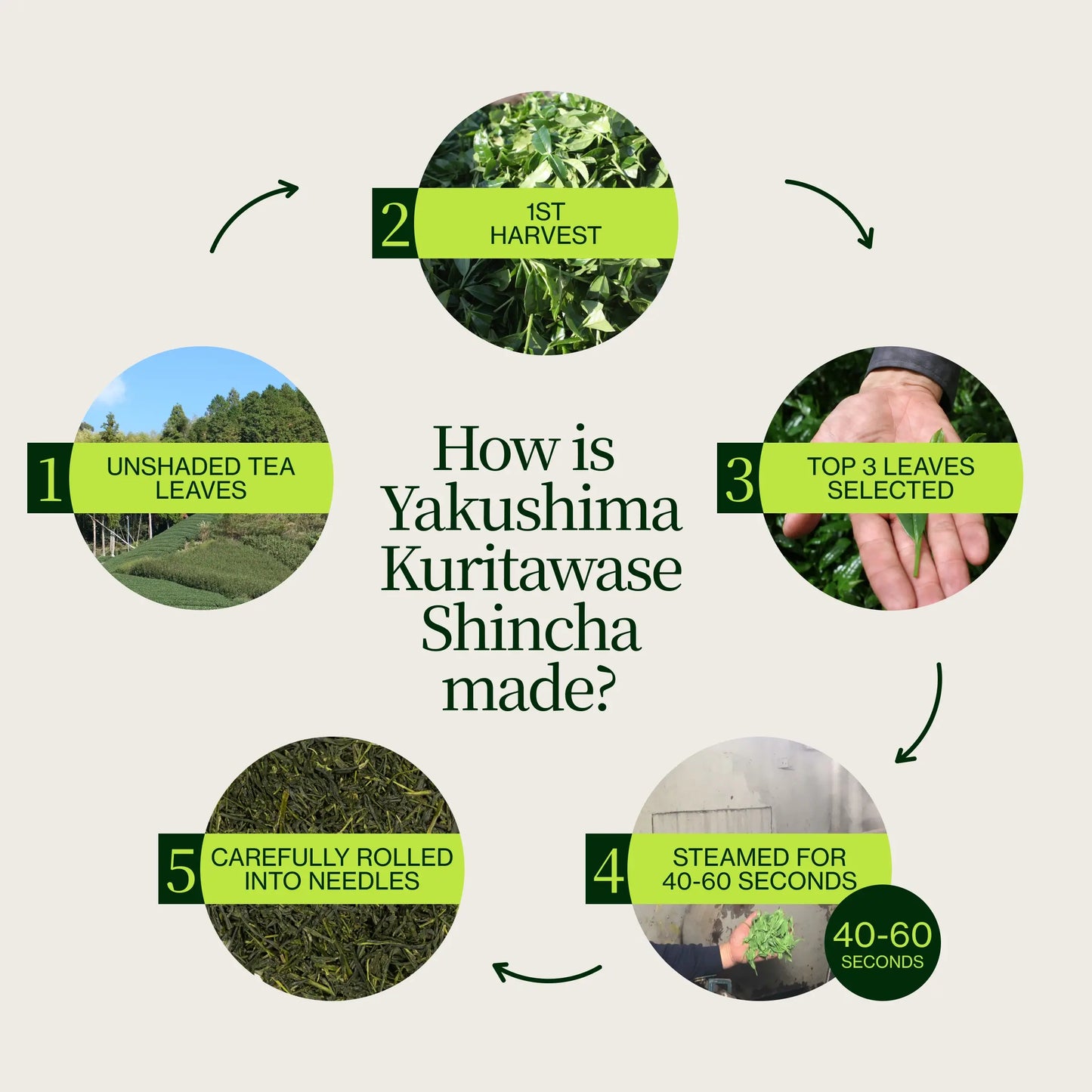
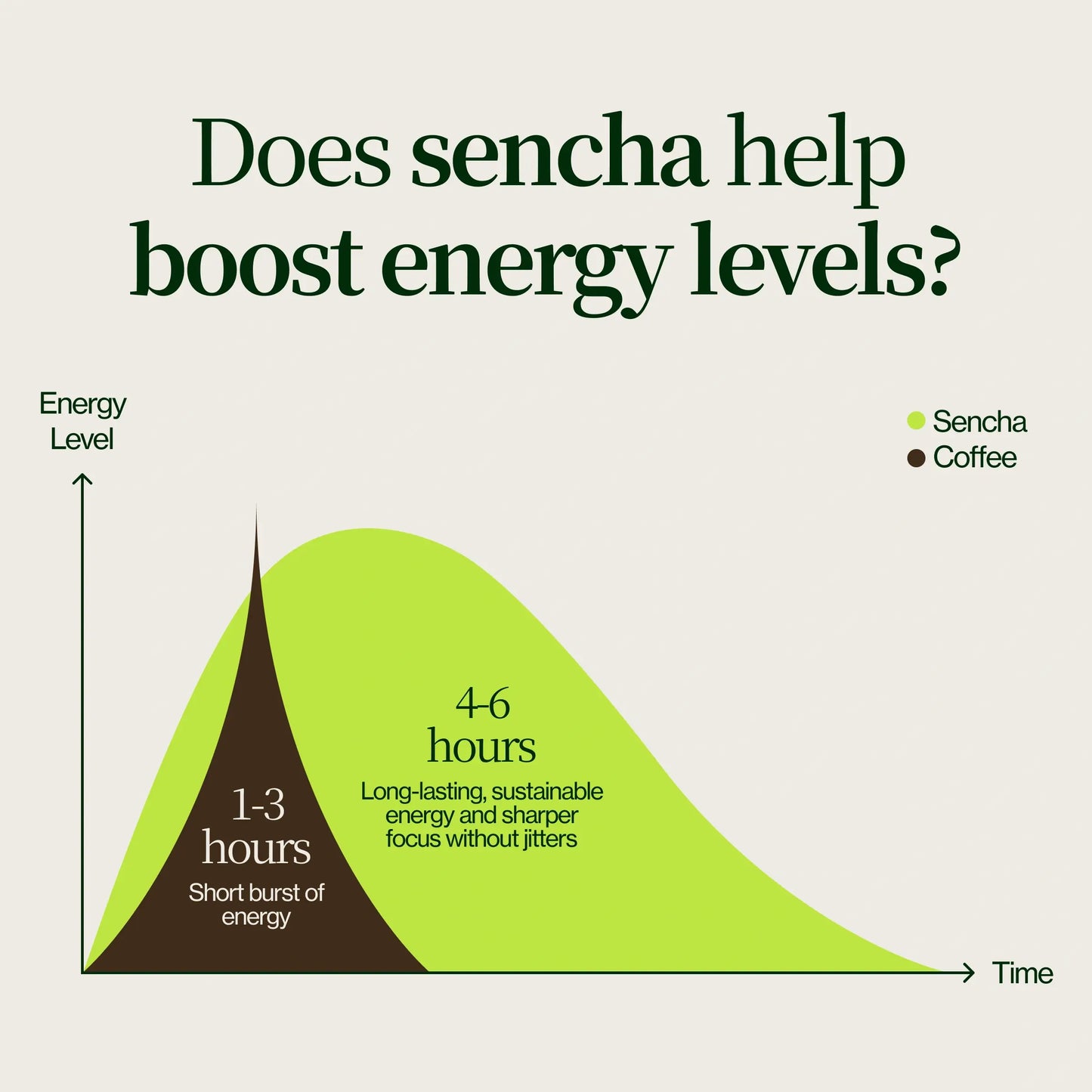
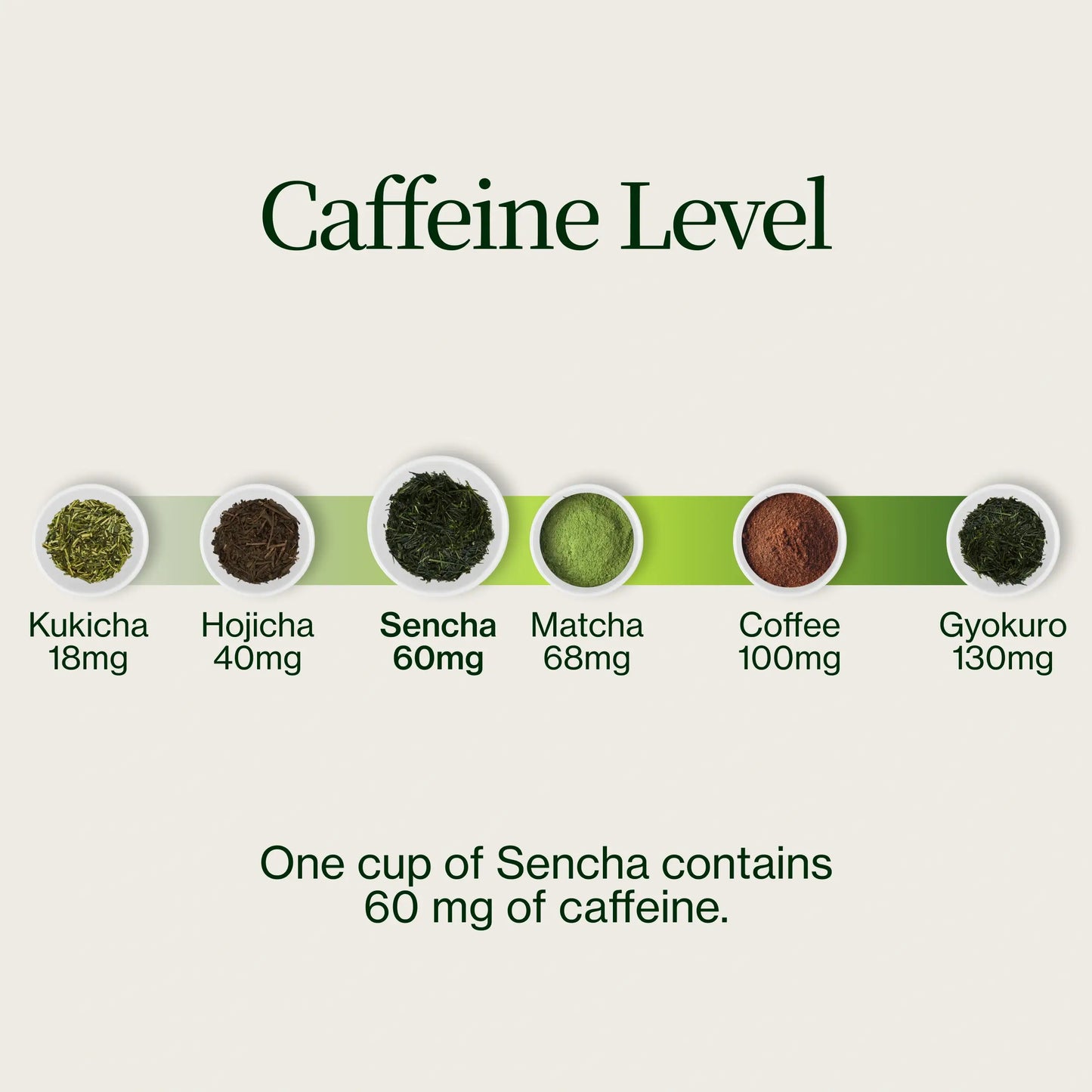
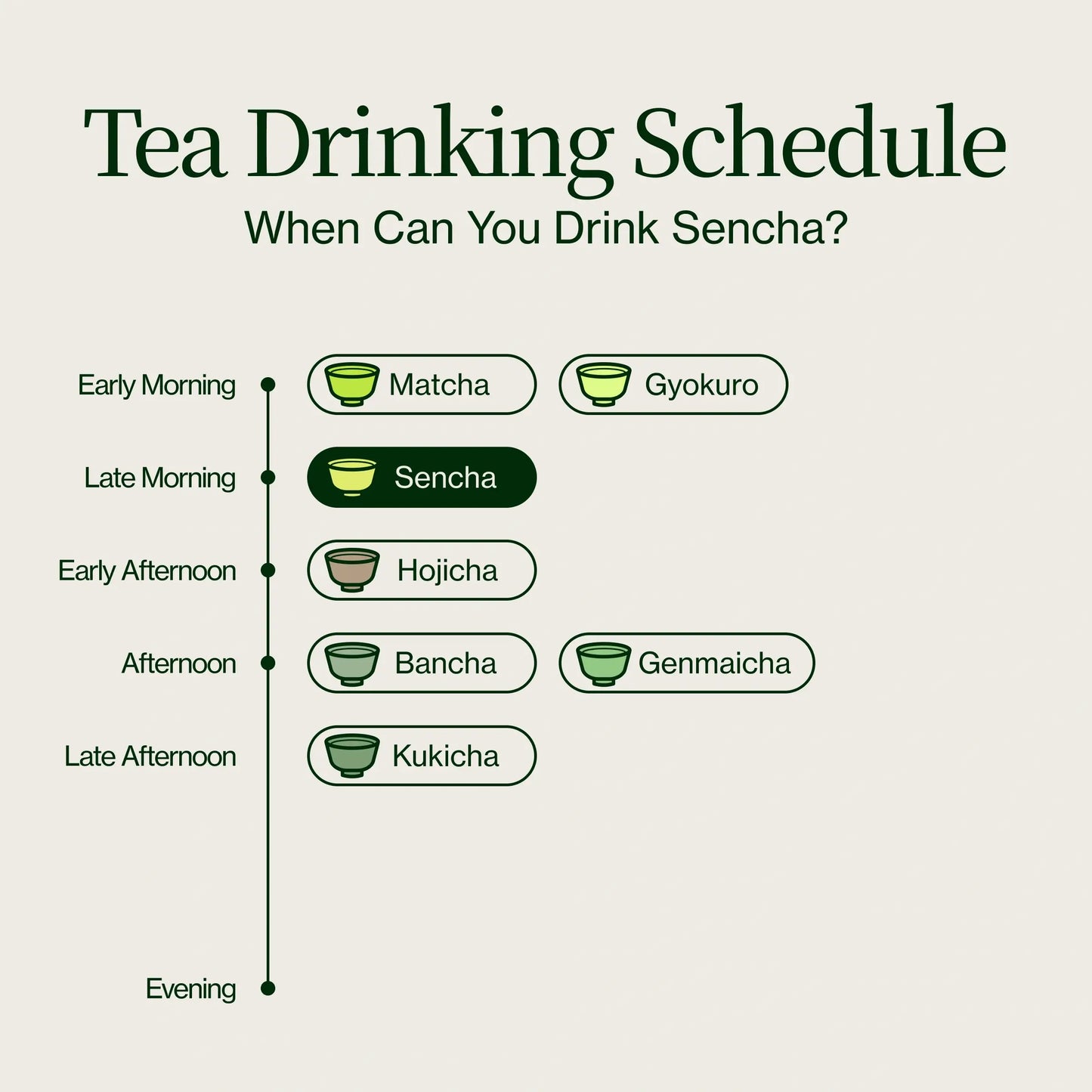






Information about the farm

Japan
Overall rating: 4.7 / 5 from 23 reviews.
Very light, but good.

This is my favourite Sincha at Nio. Fragrant and sweet.

The Yakushima Kuritawase Shincha is really good. I ordered a pack and ordered more as soon I tasted it. Subtle flavour, full of character. Great

Dusty dry leaf, smells sweet like roasted green melon or cantaloupe, light green residue everywhere, smells so yummyyyy Taste, bit of a zing to it, mellow but spoken, no dryness, odd, like a wet puddle, rain forest moist air mist in my mouth. Little baby astringency, yellowish greenish color saturated moderately, soupy. Slurpy goodness, a brain teaser for sure. Theres that zing again, not bright af but not dull, cant find words.... moves like a liquor, tastes like a dewy aged matt of grass with some slightly humid moss atop it? Asparagus tenders Long lasting moist, stickiness in the mouth, sweetness, amylase party, coating my teeth and roof of my mouth in biocompounds... this is so.. good? Im so confused, its COOL! On Ice Koridashi style: Fresh cut romaine lettuce, an herbal bite to it, green apple, mature Cucumber, freeze dried strawberry. Wet painted turtles without a thought between their eyes.

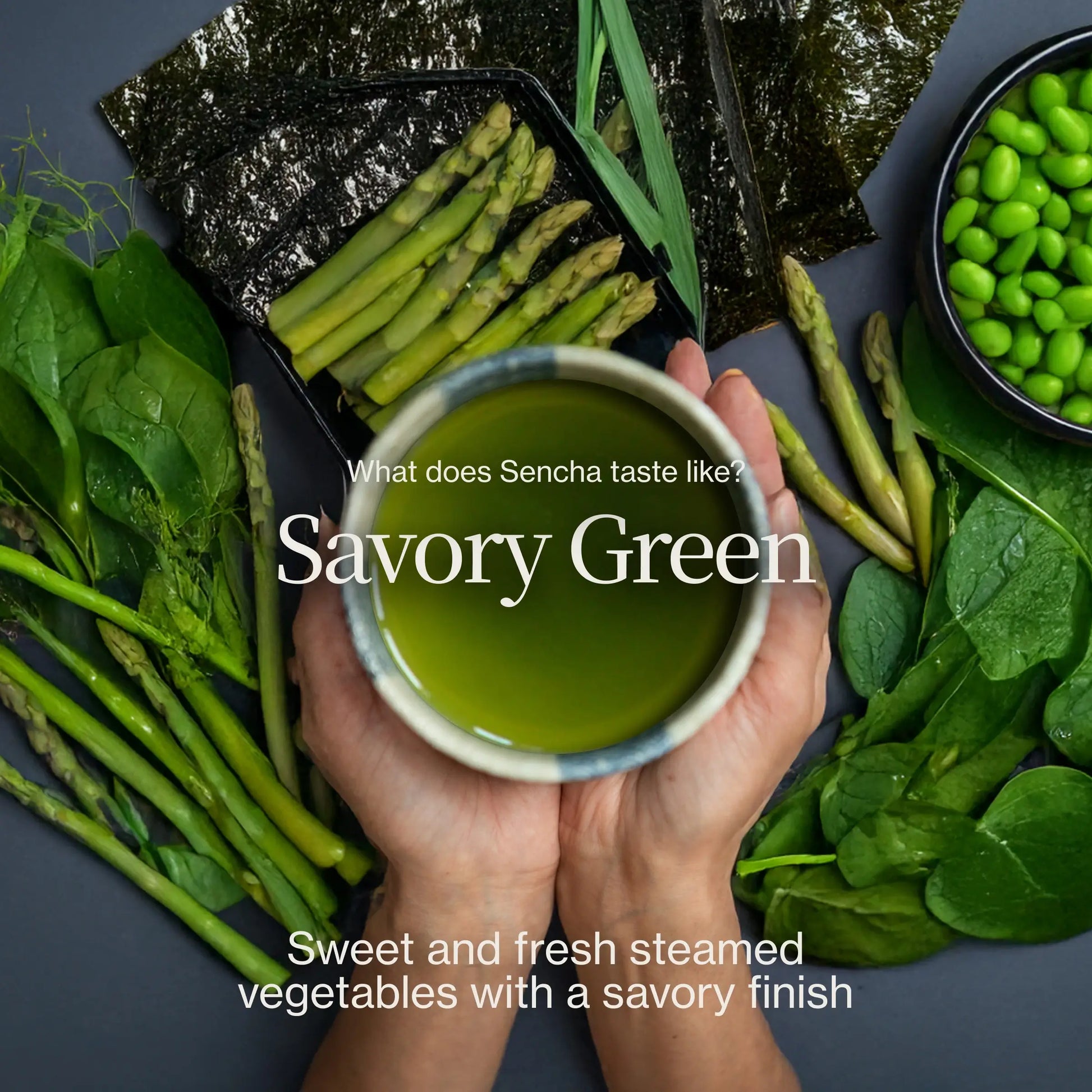
A very fresh Shincha Yakushima Kuritawase, a Japanese tea that enchants with its fresh and complex bouquet. At the first sip, a lively aroma envelops you, where the unmistakable marine notes of nori seaweed and a hint of savouriness gently emerge, giving the palate a unique sensation. The perfect balance of sweetness and umami gives an extraordinary freshness, leaving a long persistence in the mouth, with an aftertaste reminiscent of unripe grape skins, a childhood memory. Perfect for a morning pampering that awakens the senses and gives energy. Follow me at @gong.fu.panda on insta for discount codes and more tea reviews!

Some tasting notes i could detect during different phases of trying this tea: Dry leaf - cured parma ham (prosciutto), smoked salmon and cream pastries, wakame, white soy sakura arare, sakura leaf senbei (reminds me of those two savoury snacks from a sakuraco box I bought) keloggs cereal and a yeasty note of freshly kneaded dough for baozi buns. Wet leaf - baked salmon (but not in the fishy sense) with fresh lovage leaves and lemon juice, hint of white pepper, hot clay, hint of dried rosewood and steamed spinach. Texture - thick, resinous, lingers quite long. Taste - not as umami as a gyokuro, a little more delicate and approachable (if you love an umami bomb, you might have to brew this for a little longer than recommended but if you feel overwhelmed by a lot of Japanese teas and want to get into them, this is the perfect one to go for imo) has notes of creamy spinach, lovage, avocado, homemade humus and bitter cucumber with a hint of starfruit. Overall this tea surprised me more than I anticipated. As much as I love a strong umami green, sometimes it can be a little overwhelming if I haven't had such a tea in a long time and I think this Sincha also shows that there is so much more on the market than that, this one is a little more delicate and lighter, more akin to some Chinese greens I've had except it still has that savoury richness that many Japanese green teas are known and loved for.

Steeped according to pkg reccomendation and enjoyed a beautiful light green hue tea liquor with fresh spring Sakura, sweet, salty, umami broth. I’ve steeped this chilled over ice and warm and loved it both ways.

This tea was great! I think I actually prefer it to the Tanegashima kuritawase. The flavor is a bit richer and the aroma is more powerful

I loved this tea! I was afraid that my relative inexperience with high quality Japanese green tea would mean the result would be lacking, but the tea was so sweet and smooth with a stunningly long sweet finish.
Ideaal für eine ruhige Stunde
Nio sources and supplies the best green teas I have ever had.
Der Bio-Shincha schmeckt so reich und intensive, wie die Shincha Sorten, die ich damals in Japan gekauft habe. Er ist der Hammer! So ein reicher intensiver Geschmack! Wunderbar! Genau was ich gesucht hatte. Andere Bio-Shincha aus anderen Online-Quellen schafften das nicht. Werde ich wieder kaufen!
end of review. be glad you got a 1 - 5 rating.
It’s a Better quality of the common Green Teas that I tasted.
This is very nice green tea, and is definitely less astringent than some others, as per your descriptions. I am far from being an expert on green tea because I make a pot of green tea and a pot of hibiscus flower tea and combine them, so I am not the best judge of the individual teas themselves.
What a great Yakushima shincha! I think overall I liked this one slightly better than the yabukita, but they are all good
This sencha tea from Nio is a great choice for anyone who enjoys a milder tea with a clean, refreshing taste. It's perfect for an afternoon pick-me-up or a relaxing evening beverage.
I was impressed with the quality of this little sencha. The flavor is clean and fresh, and it has a pleasant aftertaste that lingers in the mouth.
I've been a fan of sencha tea for years, and this one from did not disappoint. The flavor is well-balanced and not too strong, making it a nice choice for a daily cup of tea.
The sencha tea from Nio has a balanced flavor profile with a hint of sweetness and vegetal notes that provide a smooth and pleasant taste.
This Kuritawase sencha is a great value for the price. It's affordable and has a nice, subtle flavor that is enjoyable without being overpowering.
The sencha tea from Nio has a nice aroma and a subtle taste that's not too overpowering. It's a good choice for those who prefer a more delicate tea like me!
I appreciate the freshness of the sencha tea. It has a clean finish and is easy to drink without any overpowering notes and there is a subtle sweetness to it

Chun mee vs sencha compared side by side in terms of flavor, processing, brewing, and overall drinking experience so you can pick the right tea for you.
Chun mee vs sencha compared side by side in terms of flavor, processing, brewing, and overall drinking experience so you can pick the right tea for you.

Sencha vs jasmine green tea explained clearly. Learn the real differences in taste, aroma, processing, and when to choose each.
Sencha vs jasmine green tea explained clearly. Learn the real differences in taste, aroma, processing, and when to choose each.

Learn how much EGCG is in sencha, what affects its levels, and how brewing method, temperature, and leaf type change what ends up in your cup.
Learn how much EGCG is in sencha, what affects its levels, and how brewing method, temperature, and leaf type change what ends up in your cup.

Looking for the best sencha green tea? Compare top picks, flavor profiles, and brewing styles to find the perfect Japanese green tea for your daily routine
Looking for the best sencha green tea? Compare top picks, flavor profiles, and brewing styles to find the perfect Japanese green tea for your daily routine